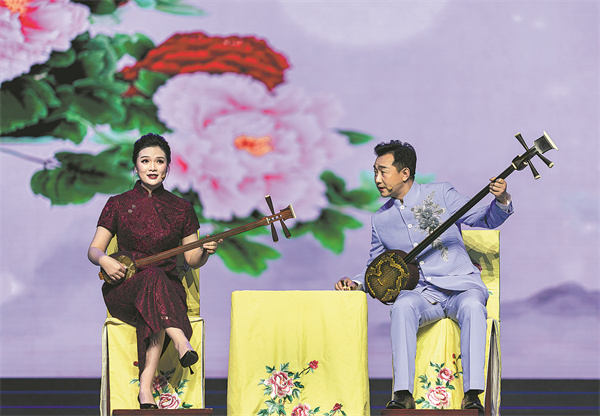
Changde sixian
Introduction
Changde sixian is a traditional folk art form originating from the city of Changde in Hunan province, China. This art form is a compelling combination of vocal performance, instrumental accompaniment, and storytelling, delivered in the unique Changde dialect. Emerging during the late Ming Dynasty (1368-1644), Changde sixian has been an integral part of the cultural tapestry of the region, capturing the essence of local folklore, nature, and everyday life through its melodies and narratives. In 2006, it was recognized as part of China's national intangible cultural heritage, underscoring its cultural significance and historical value.
The term "sixian" translates to "silk strings," referring to the traditional stringed instruments like the pipa (Chinese lute), erhu (two-stringed fiddle), and sanxian (three-stringed lute) that harmonize with the vocal performance. Unlike formal music conservatories, the tradition of Changde sixian is passed down through oral instruction in the local dialect, ensuring the authenticity and continuity of its unique sound and storytelling style.
Structure and Components
Changde sixian is characterized by its distinctive structure, which comprises vocal performance, instrumental accompaniment, and narrative content. The vocal aspect is central to the art form, with performers singing in the Changde dialect. The lyrics often depict stories from local folklore, nature, and the lives of common people, creating a tapestry of regional culture and history. The instrumental component features traditional Chinese stringed instruments, which provide a harmonious backdrop to the vocal performance.
The pipa, erhu, and sanxian are the primary instruments used in Changde sixian, each contributing to the rich auditory experience. The pipa, with its lute-like appearance, offers a resonant and crisp sound, while the erhu provides a soulful, expressive quality. The sanxian, with its three strings, adds depth and texture to the music. Together, these instruments create a delicate interplay of melodies that enhance the storytelling aspect of Changde sixian.
Narratively, Changde sixian performances are deeply rooted in local culture and traditions. The stories conveyed through the songs often revolve around themes of nature, love, history, and everyday life, reflecting the values and experiences of the people of Changde. The performers, through their vocal and instrumental expressions, bring these stories to life, engaging audiences with their emotive renditions.
Performance Practice
The practice of performing Changde sixian is a skillful art that requires mastery of the vocal techniques, proficiency in playing traditional instruments, and a deep understanding of the local dialect and stories. Traditionally, this art form is taught through direct oral instruction, with experienced performers passing down their knowledge to the next generation. This method ensures that the nuances of the dialect and the subtleties of the performance are preserved.
A typical Changde sixian performance is a live event where performers sing and play instruments simultaneously. The absence of prerecorded tracks or lip-syncing emphasizes the authenticity and spontaneity of the performance. Performers must not only sing but also play their instruments, often requiring years of practice to perfect their craft.
In recent years, figures like Zhang Lan and Shen Xiaohui have been pivotal in promoting and preserving Changde sixian. Through dedication and innovation, they have expanded the reach of this art form, bringing it to new audiences both domestically and internationally. Performances now extend beyond traditional settings, such as teahouses and marketplaces, to include schools, cultural centers, and even international stages, where the enchanting melodies of Changde sixian can captivate diverse audiences.








